
Die & Mould Making Custom Injection Mould Maker · Greater Noida Tool Room · Quote in 48 h
Custom injection moulds designed to your specs
- Mould cavities: single to 16-cavity
- Mould size: up to 400×400mm plates
- Steel grades: P20, H13, S136, NAK80
Die & Mould Making price, minimum & lead time
Send a drawing, CAD file or sample and we quote from it — within one working day for parts, and within 48 hours for tooling and repairs. No account needed.
- Price
- Quoted per drawing: cavities, steel grade, size and finish
- Minimum
- One mould — no minimum
- Lead time
- 3–8 weeks (single-cavity to multi-cavity)
- Serving
- Delhi NCR, India & export
Built in-house.
End to end.
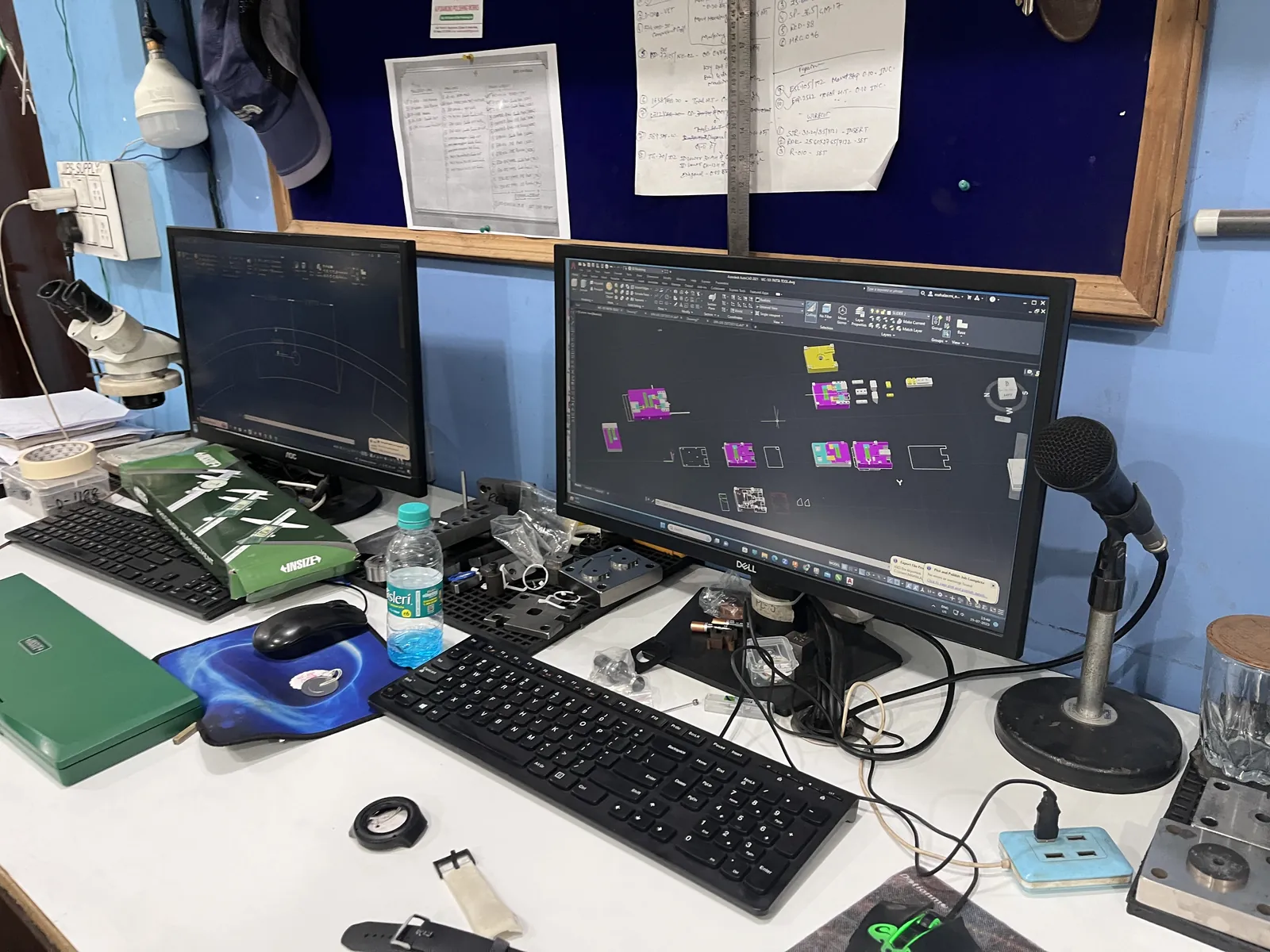
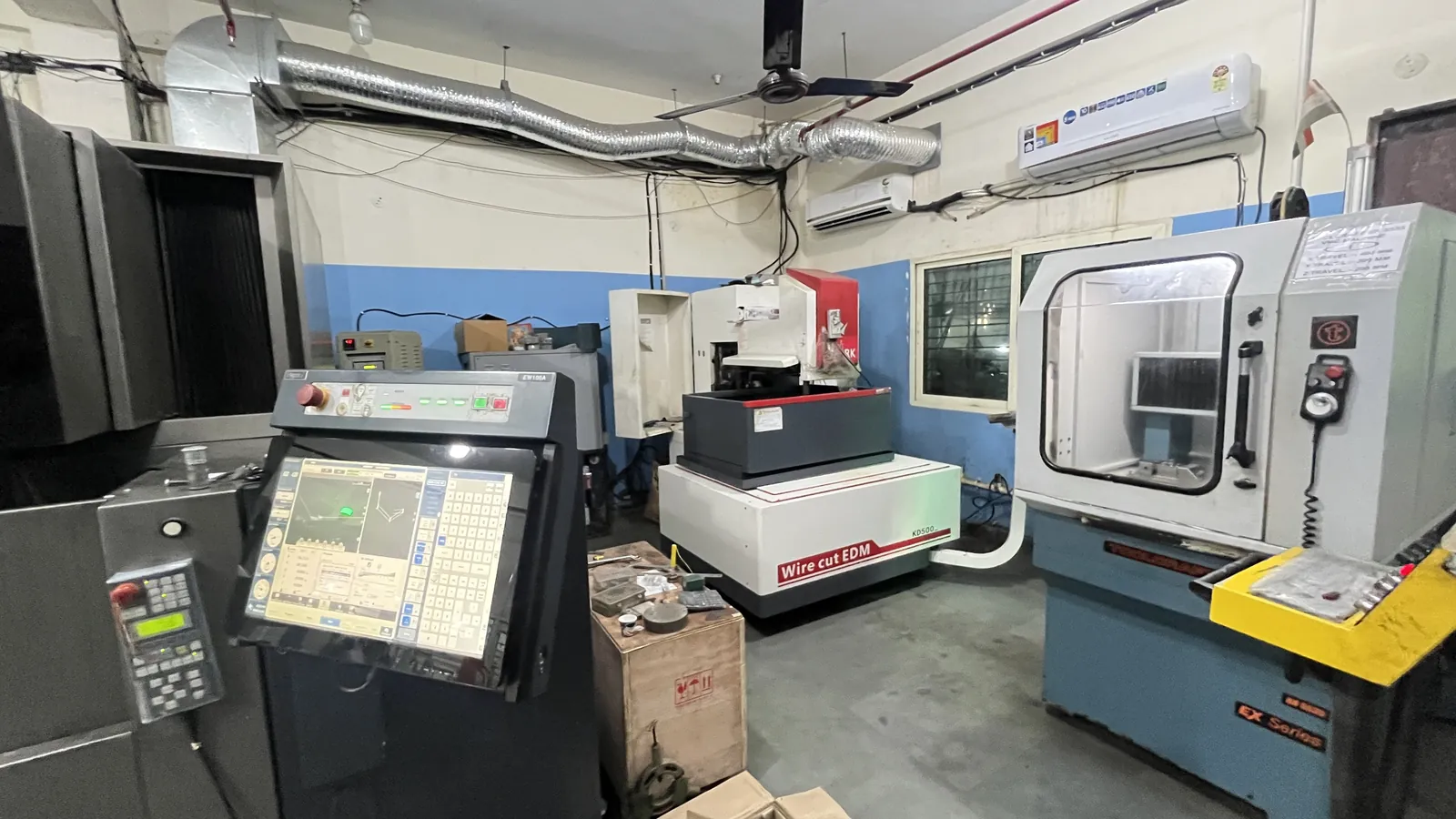
We design and fabricate precision injection moulds for watch components and industrial plastic parts. Our in-house tool room is equipped with CNC machining centres, EDM (spark erosion), and surface grinding machines to produce moulds with cavity accuracies within ±0.02mm. We work from your 2D drawings, 3D CAD files, or even physical samples to develop production-ready tooling.
Every moulded part starts with the tool, and the tool decides whether you get 100 good parts or a million. Mahalaxmi Industries has run its own die and mould making tool room in Greater Noida since 2006, building injection moulds for watch components and industrial plastic parts on 3-axis CNC centres, wire and sinker EDM and surface grinders, with cavity accuracy held to ±0.02 mm.
We work from 2D drawings, 3D CAD (STEP, IGES, Parasolid) or a physical sample, and we try every mould out on our own 50-tonne presses before it ships — so the first shots you see are ones we have already measured. Single-cavity prototype tools ship in 3–4 weeks; multi-cavity production tooling in 6–8 weeks including try-out.
What we deliver
What buyers order from our Die & Mould Making
Watch component moulds
Dial rings, cases, movement holders and bezels — multi-cavity tools built for tight-tolerance cosmetic parts.
Industrial plastic parts
Housings, brackets and enclosures for automotive, electrical and consumer products.
Prototype & pilot tooling
P20 single-cavity tools that get a new design into real material fast, before committing to production steel.
Optical & cosmetic parts
S136 / NAK80 tooling with mirror-polished cavities for PC watch glass and clear covers.
What powers this service
The machines, methods and checks that sit behind every job we take on.
3-axis CNC
Core and cavity machining on Taiwan-grade VMCs. Cycle times tuned for harder mould steels.
Wire & Sinker EDM
Fine detail features, sharp corners and deep ribs that milling cannot reach.
Surface Grinding
Mould plate flatness and parallelism held within microns for leak-free shut-off.
In-house Try-out
Moulds tested on 50-tonne presses before dispatch — no surprises at your end.
From brief to dispatch
6 stages — each checkpoint signed-off before work moves to the next.
Design Review
Analyse your drawings or samples. Suggest design-for-manufacturing improvements.
Mould Design
Create 3D mould design with gating, ejection, and cooling channel layout.
Steel Selection
Choose mould steel grade (P20, H13, S136) based on volume and material requirements.
CNC Machining
Machine core, cavity, and inserts on 3-axis CNC centres.
EDM & Finishing
Fine-detail features via wire EDM and sinker EDM. Polish to required surface finish.
Trial & Approval
Run trial shots, measure parts, and iterate until your approval.
Products we deliver using this service
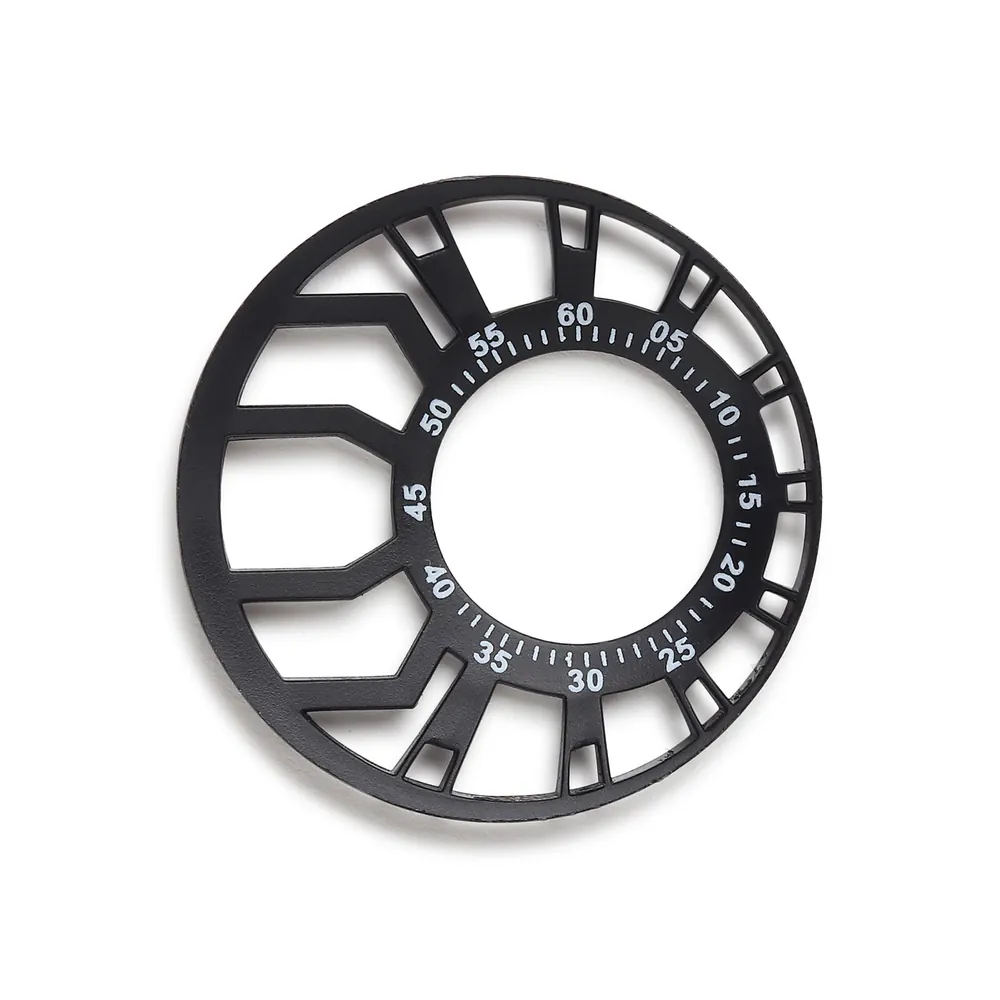
Watch Dial Rings
Precision-moulded rings for any watch diameter
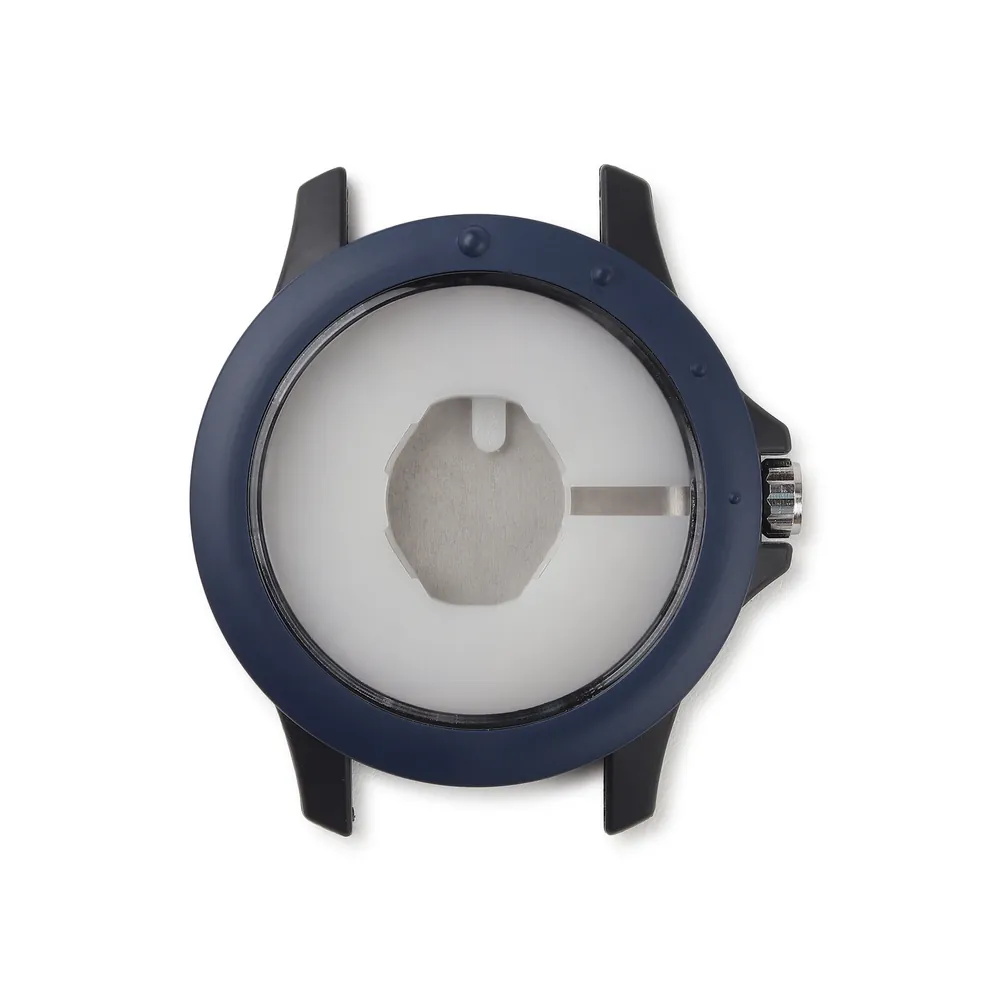
Watch Cases
Robust injection-moulded and machined cases
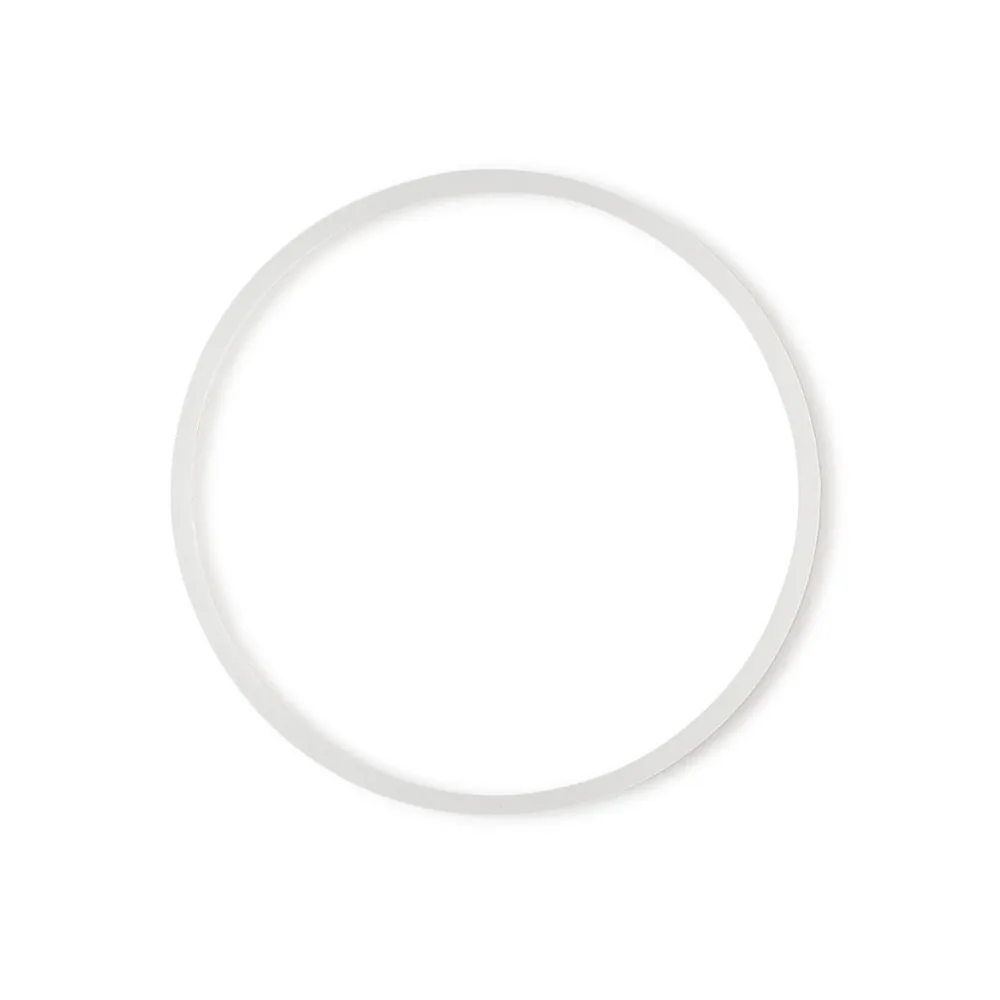
PC Watch Glass
Polycarbonate glass — optically clear, impact-resistant
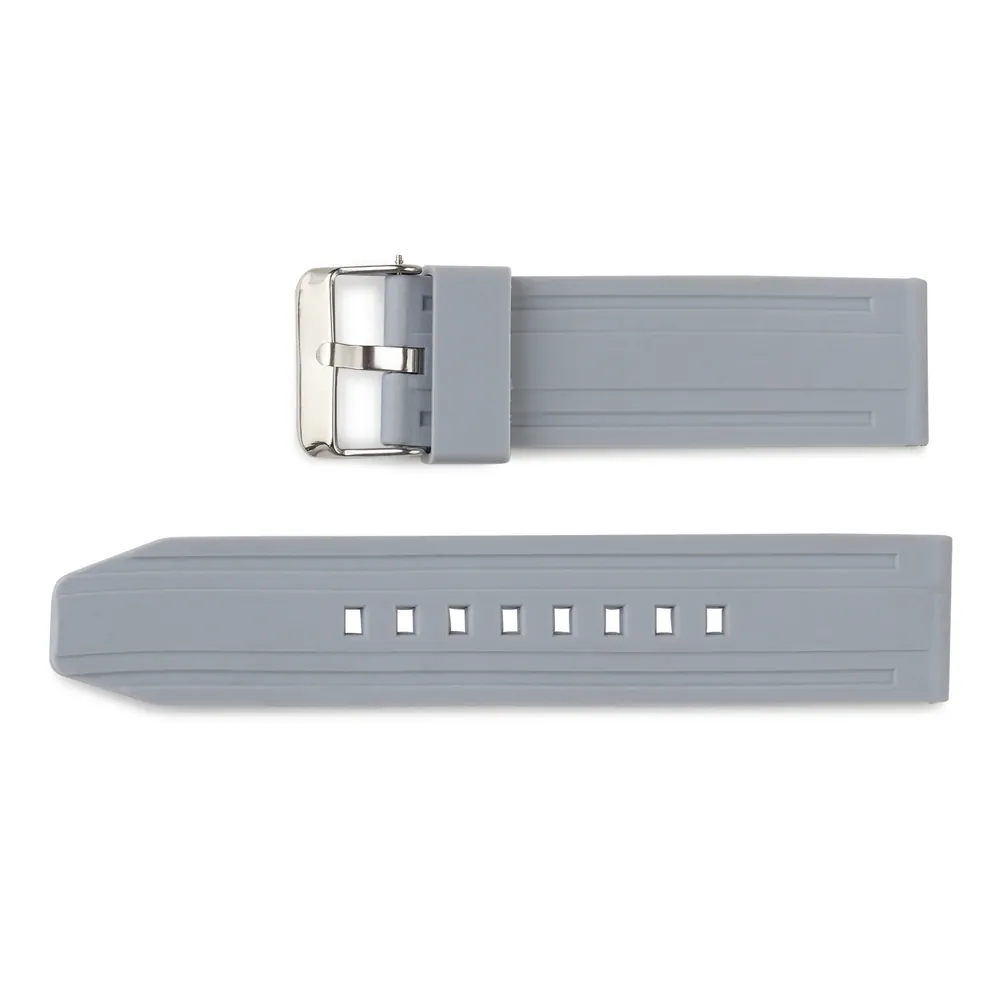
PU Watch Straps
Soft polyurethane straps in multiple styles
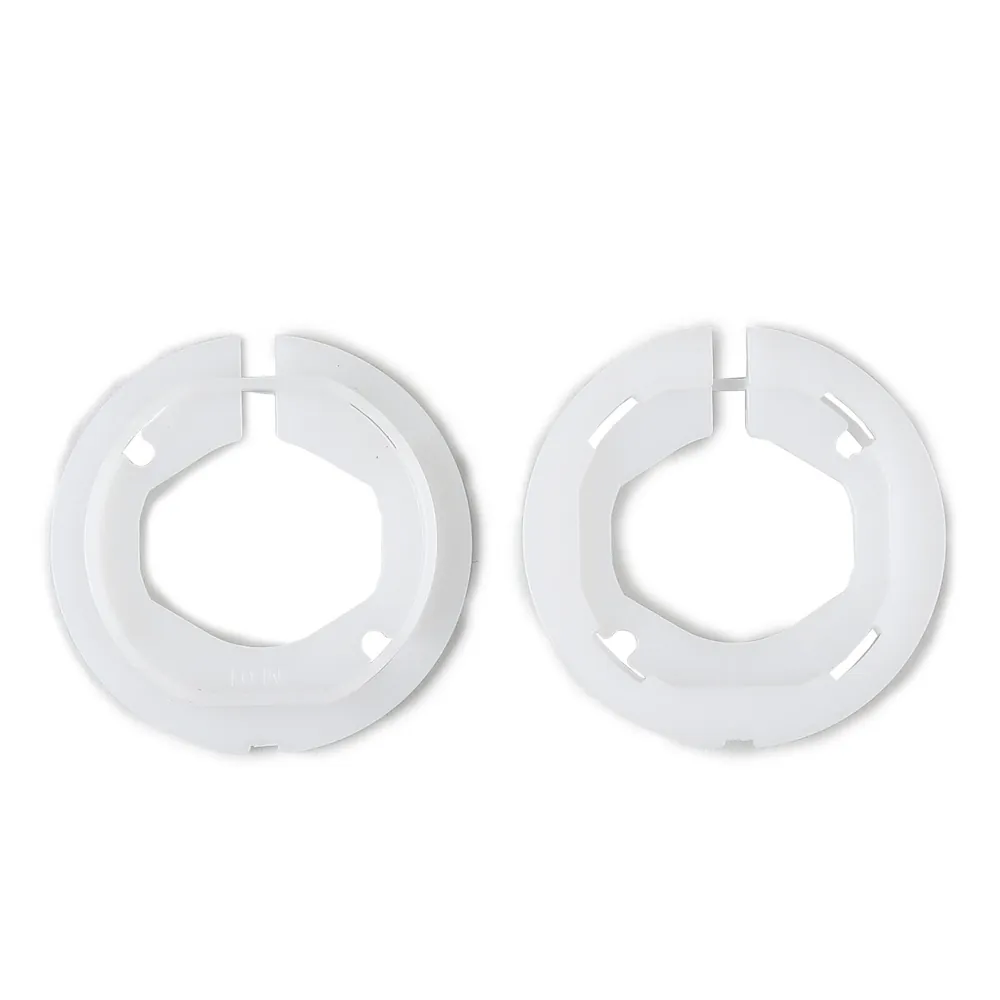
Watch Movement Holders
Snap-fit and screw-fit rings for snug fitment
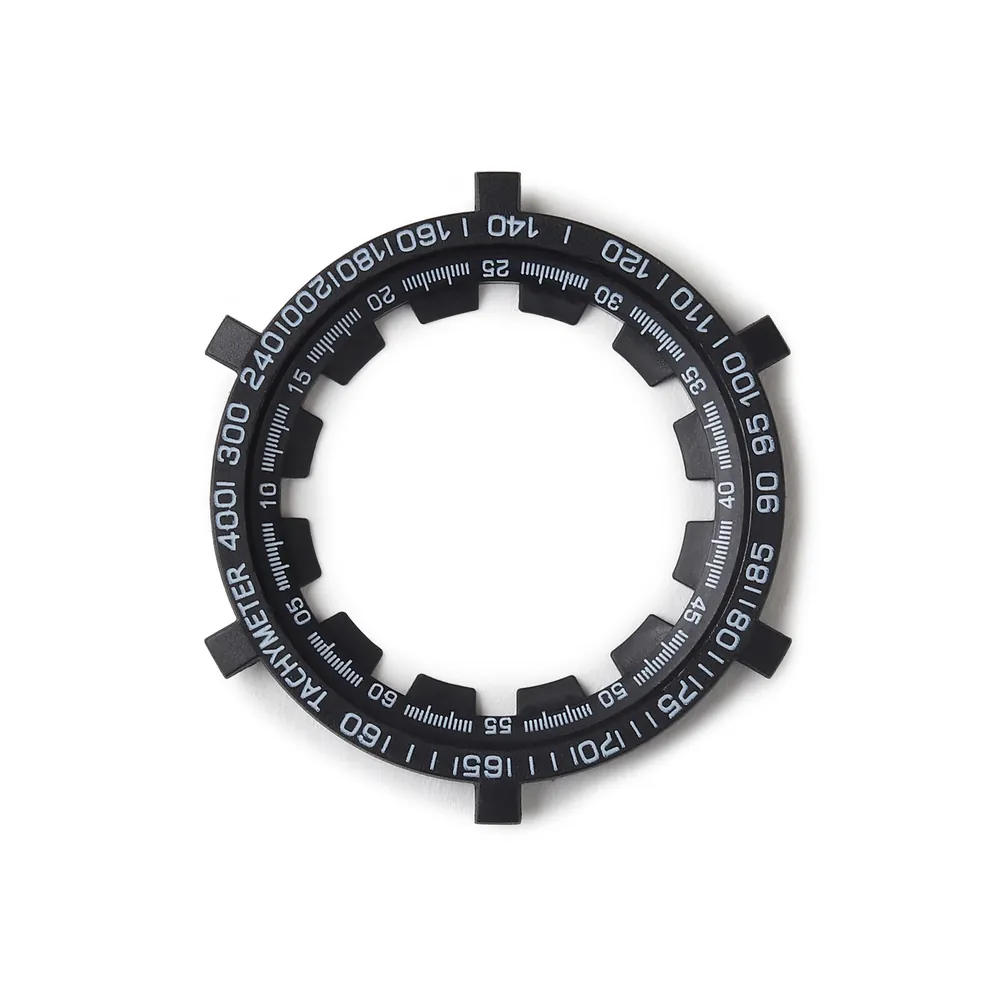
Watch Case Top Rings
Bezel-style top rings in multiple finishes

Energy Guard
Protective moulded guard for watch energy assemblies
Options on every Die & Mould Making job
- Single to 16-cavity layouts, sized to your annual volume
- Mould steel to suit the run: P20, H13, S136 or NAK80
- Hot-runner or cold-runner feed systems
- Mirror polish or VDI / Mold-Tech textured cavities
- Design-for-manufacturing review before any steel is cut
How we check the work
- Cavity accuracy ±0.02 mm on CNC and EDM features
- Plate flatness and parallelism held on the surface grinder
- Trial shots measured against your drawing before dispatch
- Mould life specified up front: 100K to 1M+ shots
One supplier for tooling, moulding and finishing
How to order Die & Mould Making
-
Send your drawing or sample
Share a 2D/3D drawing, a reference part or even a competitor sample. We confirm feasibility, material and tolerance within one working day.
-
Quote & tooling plan
You receive a piece price, tooling cost (if a new mould is needed), MOQ and lead time. Existing moulds skip straight to sampling.
-
Sample approval
We mould first-off samples, inspect them against your drawing and ship them for your fit and finish sign-off.
-
Production & dispatch
Approved samples become the production standard. Batches are inspected at every stage and packed to your specification.
Die & Mould Making — common questions
What buyers ask before starting a project: scope, tolerances, tooling, cost and turnaround.
Question not answered here? Send your drawing or a description and we will reply with a specific answer, not a brochure.
Ask a question
What file formats can you work with?
2D drawings (PDF, DWG, DXF) and 3D CAD files (STEP, IGES, Parasolid). We also reverse-engineer from a physical sample, which is how a lot of replacement tooling work arrives.
How long does a new mould take to build?
Simple single-cavity moulds ship in 3–4 weeks. Multi-cavity production tooling typically takes 6–8 weeks including try-out and correction.
Cavity count is worth deciding deliberately: it is the biggest lever on per-piece cost once the tool is running, so tell us your annual volume, not just the first order.
Which mould steels do you use?
P20 for prototype and short runs, H13 for higher-volume work, S136 and NAK80 for optical and cosmetic parts. Steel is selected during design review, against your expected shot count rather than by default.
Do I own the mould after payment?
Yes. The mould is delivered against its commercial invoice and you retain ownership. Storage on our floor is available at no charge if you run recurring batches with us.
How much does an injection mould cost in India?
Tooling cost is set by part size, cavity count, steel grade and complexity — undercuts, sliders and lifters each add build time. We quote tooling as a separate line from the per-piece price so you can see the one-off cost against the running cost and choose cavity count knowingly.
Tooling quotes go out within 48 hours of receiving a drawing.
Can you advise on part design before the tool is cut?
Yes, and this is the cheapest hour you will spend on the project. In design review we flag what will not mould cleanly — wall-thickness jumps, missing draft, gate positions that leave a witness mark on a visible face, ribs that will sink.
Fixing those on a drawing costs nothing. Fixing them in hardened steel costs weeks.
How many shots will the mould last?
Tool life is a function of steel grade, part geometry and how well the tool is maintained. Properly specified production tooling routinely runs over a million shots, but a P20 prototype tool is not built for that and should not be priced as if it were.
Tell us the expected lifetime volume and we will specify to it.
What happens if the tool needs correction after try-out?
Correction after first try-out is normal, not a failure — it is why try-out exists. Because the tool room is in the same building as the moulding floor, a correction cycle takes days rather than the weeks it costs to ship a mould between two vendors.
Other services


Read more about Die & Mould Making
Ready for
your next project?
Share your drawings, volumes and lead time. An engineer — not a bot — comes back within one working day.